اندیشمند بزرگترین احساسش عشق است و هر عملش با خرد

Wednesday, July 31, 2013

On NSA Spying Activities

9/23/2013 Interview with Guardian Editor in Chief Alan Rusbridger on the Inside Story of Snowden Leaks:
http://www.democracynow.org/2013/9/23/spilling_the_nsas_secrets_guardian_editor?autostart=true&get_clicky_key=suggested_most_popular_story

Hamid Javaherian
 
(Date Originally Published: 7/29/2013)
We heard in the news yesterday that the US congress has denied us the right to privacy by failing to limit the government’s access to our personal information and the secret data collection by NSA. The congress rejected the petition to prevent the US government from invasive move into our private life by keeping the NSA unleashed to continue spying on the US citizens. .  The general public’s  view on this issue is that we inherently have an irrevocable right to privacy.  Under the guise of ‘national security, we as citizens have lost a great deal of our civil rights in a fictitious war against terrorism, and in pretend of defense to our national security.  The erosion of this constitutional right ( the 10th amendment ) began with the presidency of G.W. Bush and became more enhanced after 911.  Our Civil Rights are in a grave danger. Infringement on our personal information has been done in violation of the Constitution, and the burden of stopping the government in their illegal practice is now laid upon us the People to enact a law to prevent them from doing so ––a paradoxical chaos!  The difference between the United States of America and countries like Iraq or Iran is precisely it’s Constitutions upon which it’s democracy stand.  There are numerous argument on this topic.  Some say, “ Well! I know the government eavesdropping on people is wrong, but I don’t have anything to hide, so who cares! The counter argument to this naivete is;  Yes it does matter and we should care because the right to privacy, as our constitutional rights is all what distinguishes us as a democracy from other totalitarian regimes around the globe.  The government isn’t specifically given the power to violate your privacy.  The right to privacy needs to be upheld as long as democracy is respected.  Allowing the government to bypass us on one of our rights would lead to the eventual erosion of our collective rights as a People?

Wednesday, July 17, 2013

Confusion! (Part 2)


Since 1980, status quo has been dominating the political climate of the United States, in an upward trend, with a sharp upswing at each presidential election of both parties. There are various ways for the State (establishment) to ensure the selected few stay in power. In addition to control of the media, keeping votes in the hands of the supporters of such nominees has been the policy of the government from the beginning. We know that the constitution excluded majority of people from voting, keeping the ballots excluded to male Anglo-Saxon landowners. People’s struggles against this discriminatory law for more than hundred years, from 1868 to 1972 forced legislators to pass amendments 14, 15, 19, 23, 26, and to call the Poll Tax unconstitutional. However, the establishment found other ways to keep economically disadvantaged people excluded from the voting process. It may help to consider voter turnout in US presidential elections since 1828:

Monday, July 8, 2013

Confusion! (Part 1)

Coming back from a short trip along with four other friends yesterday (writing for this blog started on 7/8/13 and was completed a week later), we were listening to the news of the airplane that crashed upon landing in San Francisco airport on CNN, Fareed Zakaria’ s news analysis program. Zakaria had three guests to discuss the events in Egypt, plane crash in San Francisco airport, and the fate of Edward Snowden, in addition to some CNN reporters. It was interesting that his three guests said the same thing about each of those subjects, as if each was repeating the previous speaker’s analysis, just in different verbiages. They ended up saying what Zakaria concluded, and what we can hear from government officials regarding all three subjects. There was not much to explain about the plane crash, what we were mostly interested to learn about. However, the other two subjects; “lack of experience in democracy in Egypt” and “Snowden aiding the enemy” were not anything short of the news we could get from Fox and other media, mostly the mouthpiece of the US government. In his memoire published in 2010, Jimmy Carter discloses his notes of his presidential period of late 1970s. One complaint that is continually repeated throughout this book is the conflict the media had with his administration, and the media’s polarization of his policies. He states that at the beginning of his term, Washington Post published a document about Jordan’s King Hussein, and his relationship with the CIA disclosing Hussein’s monthly stipend from the US secret service. It is interesting to see the 180 degrees turn of the media coverage during these thirty something years, to an opposite direction. The main reason may be monopolization of the media, and allegiance of the media moguls to status quo.

Sunday, June 30, 2013

کودتا

انتخابات دو هفته پیش توسط بسیاری از ناظران به عنوان یک  "کودتای سیاسی" در برابر عناصر جناح راست رژیم (به رهبری خامنه ای) مورد تجزیه و تحلیل قرار گرفت. اگر انقلاب ایران در سال ۱۳۵۷ ادامه " جنبش مشروطه" و "ملی شدن صنعت نفت" بود، این انتخابات قطعا تداوم دستبرد انتخابات ریاست جمهوری در سال ۱۳۸۸ توسط خامنه ای و احمدی نژاد (و یا نتیجه آن) بود. رویدادهای پس از انتخابات چهار سال پیش ایران و جمعیت زیادی که خشم خود را در خیابانهای شهرهای بزرگ ایران (و شهرهای بزرگ جهان) به نمایش گذاشتند، حکایت از نیروی عظیمی‌ است که مردم میتوانند با تکیه به آن،  به جای تکیه بر عوامفریبان سیاسی ، سیاستمداران دست نشانده، روشنفکران جیره خوار، و سران حزبی، به خواسته های خود دست یابند. به نظر می رسد تنها راه ملت در دستیابی به دموکراسی پوپولیسم یا نیروی جمعیت، و ادامه مبارزه بدون ترس از قربانی دادن به یک دولت استبدادی باشد. هر چه دولت تهاجمی تر و خشن‌تر شود، مبارزه بی باک‌تر می شود. البته، مستبد این را بخوبی می داند، و در برخی از مواقع مبارزه تبدیل به یک "منازعه" میشود. رهبران رژیم‌هائی که در خدمت دولت های خارجی میباشند، مانند بسیاری از دیکتاتورهای خاورمیانه،  میتوانند محل فرار احتمالی‌ خود را تا حدی پیش بینی‌ کنند. (حداقل آنها به این امیدوارند). قدرت آنها را نیز می توان سهلتر از کسانی که هم از داخل و هم از خارج مورد تنفر هستند شکست. سرنوشت قذافی و اسد به روشنی توسط رهبر ایران و حامیان او قابل درک است. جیمی کارتر در مجموعه ای از یادداشت های ریاست جمهوری خود (خاطرات کاخ سفید، فرار، استراوس و ژیرو، اجازه انتشار سال ۲۰۱۰ توسط جیمی کارتر) نوشت: “سازمان سیا تجزیه و تحلیلی از مشکلات اقتصادی و سیاسی ایران در اختیارم گذاشت. شاه در مورد اینکه چگونه به روند دموکراسی و یک جامعه آزاد برسد از من نظر خواست. او گروههای قدرتمندی را از خود بیگانه کرده است: رهبران مذهبی؛ جناح راست که مخالف هر گونه تغییری هستند؛ چپ رادیکال، که برخی از آنها کمونیست هستند؛ و طبقه متوسط ​​جدید ایران که در حین اینکه ثروتمند میباشند، هیچ نقشی‌ در سیاستهای کشور ندارند."(ص ۲۵۵)" شاه نگرانی عمیق خود را در مورد  براه اندازی دولت موقت، دولت نظامی، یا شاید حتی کناره گیری ابراز داشت. ما او را تشویق به ماندن در قدرت کردیم و اینکه روی پشتیبانی ما حساب کند."(ص ۲۵۷)" تشویق به ماندن در قدرت و پشتیبانی آمریکا" قولی‌ بود که شاه به آن اطمینان نکرد. حتی در وقایع کودتای ۱۳۳۲، سازمان سیا مجبور شد که به منظور موفق شدن، مستقل از شاه عمل کند. خامنه ای و اراذل و اوباش او بخوبی می دانند که استقرار و ادامه حیات آنها بستگی به ادامه ظلم و ستم و بی امان دارد ، و هر گونه کوتاهی‌ به نفع مردم سقوط آنها را تضمین می‌کند. حوادث اخیر در مصر و در تونس نتیجه خشم وهمبستگی گروهی مردم این دو کشور، علاوه بر کوتاهی‌ مستبدین در ادامه خشونت  بود. بسیج مردم پشت سر یک رهبر، که گر چه ممکن است انتخاب نهایی نباشد، اما به منظور یافتن فرصتی در ادامه جنبش،  میتواند راه دیگری را رهنمون کند. این هدف، در انتخابات ایران در دو هفته پیش به دست آمد. در انتخابات چهار سال پیش، موسوی و کروبی نتوانستند از کودتای سال ۱۳۳۲ علیه مصدق پند گرفته، و از قدرت توده و حمایت آنها در مواقع حساس استفاده کنند. ولی‌ مردم با تجربه از انتخابات چهار سال پیش، رأی نهائی خود را به صندوقها ریختند.
 

Tuesday, June 25, 2013

THE COUP

Iranian election of last week was analyzed by many observers as a calculated “coup d’état” against the right-wing elements of the regime led by Khamenei. If Iranian revolution of 1979 was a continuation of the “Constitution Revolution” and “Nationalization Uprising”, this election was definitely continuation (or as a result of) the rigging of 2009 presidential election by Khamenei and Ahamadi-Nejad. Events following Iranian election of four years ago and the large crowd exhibiting unbridled anger in streets of all, if not majority of the, cities around the world reflected the importance of achieving popular demands by demonstration of force in the streets, rather than reliance on demagogues, politicians, intellectuals, and party heads. Populism, or force of crowd, and continuation of struggle without fear of losses in pursuit of democracy, seems to be the only way a victimized nation can change a tyrannical government. The more aggressive and vicious the government is, the more the struggle becomes fearless. Of course, the despot knows this as well, and at some point the struggle turns into a “daring contest”. Regimes which serve foreign governments, such as most of the governments in the eastern hemisphere, foresee a future destination in the case of abdication (at least that is what they hope). Their power can be broken easier than the ones who are detested by both internal and external nations. This has been the destiny of Gadhafi and Assad, which is well understood by Iranian leader and his benefactors. Jimmy Carter in a collection of some of his presidential notes (White House Diary; Farrar, Straus and Giroux; Copyright 2010 by Jimmy Carter) wrote: “The CIA gave me an analysis of the economic and political problems of Iran. The Shah has asked for advice on how to handle the trend toward democracy and liberalized society. He has alienated powerful groups: the right-wing religious leaders, who don’t want any changes; the radical left, some of whom are communists; and the new middle class in Iran, who are now wealthy but have no voice in the government.” (P. 255) “The Shah expressed deep concern about whether to set up an interim government, a military government, or perhaps even to abdicate. We encouraged him to hang firm and count on our backing.” (P. 257) “Hang firm and count on our backing” was the advice that did not go through to the Shah. Even in the events of the 1953 coup, the CIA had to act independent of the Shah in order to succeed. Khamenei and his thugs know that their existence depends on a continued and relentless oppression, and any advantage to people would guarantee their downfall. The events of proceeding years in Egypt and in Tunisia had such outcome. Mobilization of people behind a leader, who may not be their ultimate choice, but the one who would save the day, is another choice. This was achieved in Iranian election of last week. People learned by experience of four years ago with Mousavi and Karoobi’s elections, although these two did not learn from the coup of 1953 against Mossadegh, in utilizing their mass support’s great power.

Friday, May 31, 2013

ایمیل- پست الکترونی‌- پیک فوری- چاپار فوری


شاید بتوان قرن بیست و یکم را قرن ارتباطات نامید.  گرچه آغازگر اختراعاتی از قبیل: تلفنِ همراه، اینترنت، گوشی های هوشمند، ماهواره و ایمیل قرن پیشین بود؛ ولی‌ همگانی شدن آنها به صورت امروز، فقط  در قرن اخیر صورت گرفته است. بیش از یک دههٔ پیش و با پیشرفت فناوریِ یارانه‌ای، انقلاب گسترده‌ای در تسریع ارتباطات به وجود آمد؛ که “ایمیل” یکی‌ از نمودهای بارز آن است. این پدیده ظرف دو سه سال چنان گسترشی یافت که تقریبا به کلیه ادارات خصوصی و دولتی (و در نهایت به منازل) راه یافته، مراکز درون مرزی را به سرعت با آنسوی مرز ها ارتباط داد. پس از اینکه همگانی شدن این وسیلهٔ ارتباطی‌ آشکار شد و واژه ایمیل به وفور مورد استفاده قرار گرفت، برای یافتن واژهٔ جایگزینِ پارسی‌ تلاش به عمل آمد. پست الکترونی (که ترجمهٔ تحت اللفظیِ این واژه می‌باشد) تا حدی رواج یافت، که البته از ترکیبِ دو واژهٔ غیر پارسی‌ ساخته شده است ! شاید چاپار فوری، و یا پیک فوری، ترجمه های‌ گویاتری باشند. به نظر می‌رسد که طرز استفادهٔ درست از این وسیله ارتباطیِ در حال پیشرفت مهمتر از نامگذاریِ پارسی‌ آن باشد. این سیستم ارتباطی‌ نیز (مانند سایر پدیده‌های نو) محسنات و معایب بیشماری به همراه دارد. به عنوان مهمترین حُسن می‌توان از تنظیم، ویرایش، و انتشار وسیع و گستردهٔ آن نام برد! اخباری را که سابقا از طریق روزنامه‌ها و مجلات به دست میرسیدند، امروزه می‌توان در تارنماها مطالعه کرد. کپی‌ کردن و در متنِ ایمیل قرار دادنِ این اخبار، علاوه بر دستکاریِ نویسنده (و گاهی‌ بدون ذکر مأخذ) وسیله بسیار رایجی برای انتشار افکار شده است! تعداد ایمیل‌های دریافتی گاهی‌ آنچنان گسترش میابد که خواندن آنها به ساعتها وقت احتیاج دارد.
 

Wednesday, May 1, 2013

May Day

"Workers hit by lower living standards and record high unemployment staged May Day protests across Europe on Wednesday, hoping to persuade their governments of the case for easing austerity measures and boosting growth." Reads the first paragraph of the online article by Reuters titled: "Thousands rally against European austerity on May Day", which claims to be the largest European May Day rally ever. Almost all progressive media and some other international instruments have publicized these events. Of course, major US media (even some progressive ones) have been quite about it!


Friday, April 5, 2013

نوآوری‌های باستانی (۳) بخش پایانی

 
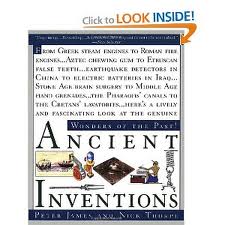
این کتاب که در سال ۱۹۹۴ انتشار یافت اختراعات و نوآوری‌های دوران باستان را مورد بحث قرار میدهد. کتاب گنجینه ایست از پیدایش اختراعات و اکتشافاتی که در زمانهای بسیار دور به منصه ظهور رسیده‌اند. بسیاری از این نوآوری‌ها با سقوط امپراتوریهای متفاوت از یادها رفتند و قرنها بعد به عنوان اختراعی جدید (به دلیل عدم آگاهیِ تاریخی‌) عرضه شدند. نمونه‌های چشمگیری از این ابداعات در ایران باستان صورت گرفتند. در اینجا صرفا آن اختراعاتی که سرچشمه آنها در سرزمین پهناور ایران بوده است نقل میشوند. در ضمن، چون گاهی به “ایران” و گاهی به “پرژیا” اشاره میشود، چنانکه کلمه “ایران” استفاده شود در اینجا نیز همین کلمه مورد استفاده قرار می‌گیرد. اگر در کتاب از واژه “پرژیا” استفاده شود، از معادل زبان خود‌ یعنی‌ “پارس” در اینجا استفاده میشود. گفتار این نکته ضروریست که مقدار معتنابهی از اختراعات در خاور نزدیک، که مهد فرهنگ و تکنولوژی آن زمان بود، به وجود آمدند. خاور نزدیک قرنهای متوالی زیر فرمان امپراتوریهای بزرگ آن زمان، از جمله آشور و فنیقیه و ایران بود. در بخش نخست  به گوشه‌هایی از پنج فصل آغازین این کتاب اشاره‌ای شد. در بخش دوم فصول پنج تا هشت مورد بررسی قرار گرفت. در بخش آخر، مطالبی که به ایران اشاره دارد و در چهار فصل پایانی کتاب آمده مرور میشوند. مطابق سابق، تاریخهای ذکر شده در این کتاب همه میلادی (قبل یا بعد از میلاد مسیح) هستند، که چنانچه به قبل از میلاد مربوط باشند، حروف (ق.م.) بعد از اعدادِ نشان دهندهٔ سال میایند.

Sunday, March 24, 2013

March 20, 2013

Today marks the first day of spring as well as the first day of Persian New Year (year 1392). It also coincides with Obama’s trip to Israel and his meeting with Netanyahu and other Israeli officials. For the occasion of this meeting and the tenth anniversary of invasion of Iraq by US forces (of a few days ago), an article is published by Juan Cole in Informed Comments, stating with one other reason for the invasion, something that many of us never knew about. The article discloses many documents representing the involvements of Israeli government in persuading US to attack Iraq. One of these documents is a quotation from a news article published in Jerusalem Post on March 10, 2003: “…the foreign ministry has received reports from the US telling Israelis to cool their jets because ‘the US media’ is portraying Israel as ‘trying to goad the administration into war.’” Whether Israelis coaxed US government, the article endeavors to make a case in support of it. All we know is that the administration ultimately attacked Iraq under the pretense of “weapons of mass destruction”, which proved to be a lie. Coincidently, the same type of slander (as weapons of mass destruction) has been used, this time by the legislators instead of the administration. It is claimed that Assad used chemical weapons on the rebels. This is of course a prelude to a more direct training and arming Syrian rebels (who have been covertly supported and armed by the military in the past two years).

Tuesday, March 19, 2013

نو آوری های باستانی (۲) بخش دوم از سه‌ بخش

این کتاب که در سال ۱۹۹۴ انتشار یافت اختراعات و نوآوری‌های دوران باستان را مورد بحث قرار میدهد. کتاب گنجینه ایست از پیدایش اختراعات و اکتشافاتی که در زمانهای بسیار دور به منصه ظهور رسیده‌اند. بسیاری از این نوآوری‌ها با سقوط امپراتوریهای متفاوت از یادها رفتند و قرنها بعد به عنوان اختراعی جدید، به دلیل عدم آگاهی‌ از وجود قبلی‌ آنها، عرضه شدند. نمونه‌های چشمگیری از این ابداعات در ایران باستان صورت گرفتند. در اینجا صرفا آن اختراعاتی که سرچشمه آنها در سرزمین پهناور ایران بوده است نقل میشوند. در ضمن، چون گاهی به “ایران” و گاهی به “پرژیا” اشاره میشود، چنانکه کلمه “ایران” استفاده شود در اینجا نیز همین کلمه مورد استفاده قرار می‌گیرد. چنانکه از واژه “پرژیا” استفاده شود، از معادل پارسی‌ آن یعنی‌ “پارس” در اینجا استفاده میشود. گفتار این نکته ضروریست که مقدار معتنابهی از اختراعات در خاور نزدیک، که مهد فرهنگ و تکنولوژی آن زمان بود، به وجود آمدند. خاور نزدیک قرنهای متوالی زیر فرمان امپراتوریهای بزرگ آن زمان، از جمله آشور و فنیقیه و ایران بود. در بخش نخست به گوشه‌هایی از پنج فصل آغازین این کتاب اشاره‌ای شد. در این بخش، قسمتهائی از فصل پنجم کتاب به بعد نقل قول میشوند. مانند بخش نخست، تنها به مطالبی که در کتاب تحت عنوان ایران یا پارس آمده اشاره میشود. تاریخهای ذکر شده در این کتاب همه میلادی (قبل یا بعد از میلاد مسیح) هستند، که چنانچه به قبل از میلاد مربوط باشند، حروف (ق.م.) بعد از اعدادِ نشان دهندهٔ سال میایند.

Saturday, March 16, 2013

The Magic Of Reality

 
This is the title of Richard Dawkins’ latest book. It is written for younger readers and it seems he had made an effort to avoid any scientific terms or equations or explanations which would only be understood by experts. Considering its simplicity in language and explanation of phenomena, this book makes a good read for a lay person who enjoys learning facts of life from a scientific point of view and without any Hocus Pokus! The book begins with a definition of, and a comparison between, reality and magic. As one enjoys myths, its power is explained and advised at the same time not to confuse myths with scientific facts. Different ways to distinguish the difference between myths and realities are clarified next. Each chapter discusses a set of scientific findings about certain subject. Most chapters start with some mythological stories related to the subject. What Dawkins is trying to do in this book is to put realities and myths side by side and let the reader decide which one is more enchanting, with the obvious conclusion made at the end of the chapter in support of the former.
 

Thursday, March 14, 2013

شگفتیِ واقعیات


این عنوانِ آخرین کتاب ریچارد داوکینز است. به نظر می رسد که او در این کتاب که برای خوانندگانِ جوان نوشته شده است، تلاش کرده است که قوانین و مفاهیم علمی و فرمولها و یا توضیحاتی را که فقط خبرگان و دانشمندان درک میکنند با زبانی ساده بیان کند. با توجه به سادگی گفتار در زبان و تبیین پدیده ها، این کتاب راهگشای اشخاصی‌ است که در علوم خبره نیستند ولی‌ از یادگیریِ حقایق زندگی از نقطه نظر علمی لذت میبرند، و نیازمندند که به دور از سحر و جادو، به شگفتیِ واقعیات پی ببرند. گفتمان با مقایسه‌ای بین واقعیت و اسطوره آغاز می شود. پس از آنکه لذت بردن از اسطوره‌ و یا تردستی را تائید می‌کند، به خواننده هشدار میدهد که متوجه باشد که این داستانها و تردستیها سوای واقعیات علمی‌ هستند. در این رابطه، روشهای مختلف برای تشخیص تفاوت میان غیرواقعی‌ (چشم‌بندی/ تردستی/ معجزه/ سحر و جادو/ اسطوره) و واقعیت توصیف میشوند. هر فصل در مورد مجموعه‌ای از یافته های علمی و در رابطه با موضوع خاصی‌ می باشد. اکثر فصلها با یک یا چند داستان اساطیری یا مذهبی‌ در ارتباط با سر فصل، شروع میشوند. داوکینز در تلاش است تا در این کتاب واقعیت و اسطوره را در کنار هم قرار دهد تا خواننده خود تصمیم بگیرد که کدام لذت بخش تر است. پر واضح است که نتیجه گیریِ او حمایت از واقعیات علمی‌ است.

Friday, March 1, 2013

A Universe from Nothing


“Imagine all the people living for today; in peace; sharing all the world”! These are the words of John Lennon who was murdered sometimes after he wrote and sang these words. Another slain dreamer was Martin Luther King who dreamed of the time when all men were equal. From six million years ago, when human being branched out from its earlier ancestral form, we have been dreaming, dreams that in some cases became future. What makes human being unique, is abstract thinking that flourishes in different forms and for different reasons. Lennon and King dreamed of what human being was capable of achieving, while arrogance and greed have prevented us from allowing that dream to materialize.

Thursday, February 28, 2013

نوآوری‌های باستانی (۱) بخش نخست از سه‌ بخش

این کتاب که در سال ۱۹۹۴ انتشار یافت اختراعات و نوآوری‌های دوران باستان را مورد بحث قرار میدهد. کتاب گنجینه ایست از پیدایش اختراعات و اکتشافاتی که در زمانهای بسیار دور به منصه ظهور رسیده‌اند. بسیاری از این نوآوری‌ها با سقوط امپراتوریهای متفاوت از یادها رفتند و قرنها بعد به عنوان اختراعی جدید، به دلیل عدم آگاهی‌ از وجود قبلی‌ آنها، عرضه شدند. نمونه‌های چشمگیری از این ابداعات در ایران باستان صورت گرفتند. در اینجا صرفا آن اختراعاتی که سرچشمه آنها در سرزمین پهناور ایران بوده است نقل میشوند. در ضمن، چون گاهی به “ایران” و گاهی به “پرژیا” اشاره میشود، چنانکه کلمه “ایران” استفاده شود در اینجا نیز همین کلمه مورد استفاده قرار می‌گیرد. چنانکه از واژه “پرژیا” استفاده شود، از معادل پارسی‌ آن یعنی‌ “پارس” در اینجا استفاده میشود. گفتار این نکته ضروریست که مقدار معتنابهی از اختراعات در خاور نزدیک، که مهد فرهنگ و تکنولوژی آن زمان بود، به وجود آمدند. خاور نزدیک قرنهای متوالی زیر فرمان امپراتوریهای بزرگ آن زمان، از جمله آشور و فنیقیه و ایران بود. در اینجا (در سه بخش) تنها به گوشه‌هایی از آن که در کتاب تحت عنوان ایران یا فارس آمده اشاره میشود. تاریخهای ذکر شده در این کتاب همه میلادی (قبل یا بعد از میلاد مسیح) هستند، که چنانچه به قبل از میلاد مربوط باشد، حروف (ق.م.) بعد از اعداد نشان دهنده سال میایند.

Saturday, February 23, 2013

Ancient Inventions III

The first eight chapters of this book have already been reviewed. This article will examine the last four chapters of: “Ancient Inventions”, copyright 1994 by Peter James and Nick Thorpe. The book represents a historical view of some discoveries and inventions, and their origins. It is divided into twelve chapters, each covering a different subject matter. The first four chapters (Medicine, Transportation, High Tech, and Sex Life) were commented on in an article titled “Ancient Inventions I”. The second four chapters (Military Technology, Personal Effects, Food, Drink, And Drugs, and Urban Life) were reviewed in an article titled “Ancient Inventions II”. Last four chapters of the book are titled: Working the Land, House and Home, Communications, Sport and Leisure.

Thursday, February 14, 2013

دگردیسی

دگردیسی در زبان پارسی‌ “دگرگون شدن” و “مسخ” ترجمه شده است. دگردیسی و یا دگر گون شدن معنای تغییر شکل ناگهانی را در ذهن تداعی می‌کند. به عنوان مثال زمانی‌ که کبریت شعله‌وری را در آب فرو می‌بریم، شعله در اثر تماس با آب ناگهان خاموش میشود. واضح است که هر تغییر شکلی‌ به زمان خاصی‌ احتیاج دارد، ولی‌ این زمان برای ما ممکن است آنقدر کوتاه باشد که ما آنرا “ناگهانی” مینامیم. مثال دیگر تغییر شکل آب به یخ است، که ما میتوانیم تغییر تدریجی‌ آنرا در سرمای زمستان مشاهده کنیم؛ که فرضا اگر در اتاق نشسته ایم و به پشت شیشهٔ در حالِ یخ زدن نگاه می‌کنیم، ناظر انجماد تدریجی‌ آب خواهیم بود. اگر ظرف آب داغی‌ را بر روی آن یخ بریزیم، یخ دفعتا نه تنها به آب، بلکه به بخار تبدیل خواهد شد، که این در اثر دمای‌ زیاد است. بنابراین جامد شدنِ آب به نظر ما تدریجی‌ ولی‌ مایع و بخار شدنِ آن به نظرمان ناگهانی خواهد بود. واژه‌های پارسی‌ که برای این فعل و انفعال استفاده میشوند حالت دوم را که تغییر ناگهانی است بیشتر از تغییر نخست میرسانند. در زبان لاتین به واژهٔ دگردیسی، “متامورفسیس” (در اصل یونانی) می‌گویند. این واژه از سه قسمت “متا” و “مورف” و “سیس” تشکیل شده است. “متا” برای نشان دادن یک مفهوم انتزاعی است که از مفهوم دیگری منبعث شده باشد. پسوند “سیس” یک قاعدهٔ دستوری است که واژه‌ای که با این پسوند خاتمه میابد معنای ماخذ اطلاعاتی را می‌گیرد. “مورف” در اصطلاح برای تغییر تدریجی‌ میاید. بنابراین، در زبان لاتین حالت نخست (در مثالِ تغییر شکلِ آب به یخ) مورد نظر است. تکرار این مطلب لازم است که منظور از تغییر ناگهانی، مدت خاصی‌‌ است که چون در نظر ما بسیار کوتاه است به آن تغییر ناگهانی میگوییم

Tuesday, February 5, 2013

Ancient Inventions: II

The book, Ancient Inventions, has already been introduced and the first four chapters have been briefed. The book is a great archaeological as well as historical account of inventions and discoveries of the ancient time, which represents a different picture of our ancestors, from what we are used to. For a long, we have had a tendency to believe that technological knowledge has remained exclusively with our generation, and ancient people were some savages who did not progress to any level close to ours. This book proves this assumption incorrect, and claims  that many of our recent technological advances have roots in ancient times, and some high tech inventions, such as computers, may have been the result of innovations of people living some Melania before us. In analyzing some brilliant articles of this book, the next four chapters (chapters five through eight) are discussed here. Last four chapters (nine through twelve) will be introduced in a final article about this book.

Wednesday, January 30, 2013

افغانستان، عراق، لیبی‌، سوریه، ایران


با بررسیِ جهت گیریِ سیاسیِ دولتهای اسلامی، شاید بتوانیم به سیاست کلی‌ کشورهای غربی در این منطقه پی ببریم. سیاستهای داخلی‌ دولتهای مذکور نیز بدین روش مشخص میشوند، چرا که رابطهٔ این دولتها با کشورهای غربی تعیین کنندهٔ سیاستهای داخلیشان است. در این مورد دو گزینه برای این دولتها متصور است. گزینه نخست آن است که تکیه به مردم کشور خود داشته، برآوردن خواستهای آنها را هدف اصلی‌ خود قرار دهند. چنین هدفی‌ را دولتهائی تعقیب میکنند که از نظر سیاسی با آرائ مستقیم مردم روی کار آمده‌اند. به عنوان نمونه می‌توان از کشورهای آزاد شده از یوغ استعمار در آمریکای مرکزی و جنوبی (از جمله اوروگوئه، ونزوئلا، بولیوی، آرژانتین) نام برد. گزینه دوم برآوردن خواستهای دولتهای غربی است که لازمه آن داشتن دولتی دست نشانده و دیکتاتور است. البته نقطه مقابل این گزینه‌ها الزاماً مصداق پیدا نمیکند، یعنی‌ اگر دولتی دیکتاتوری باشد الزامی ندارد که به کشورهای غربی وابسته باشد. با همین ارزیابی، دولتی ممکن است با آرائ مردم انتخاب شده باشد ولی‌ همزمان تابعیت کشورهای غرب را نیز بپذیرد. کشور های لیبی‌ و عراق دیکتاتوری بودند ولی‌ وابستگی کامل به غرب نداشتند، و به همین جهت غرب آن حکومتها را از پای در آورد. همین سرنوشت در انتظار کشورهای سوریه و کره جنوبی و ایران است که با وجود آنکه ماهیتاً دیکتاتوری میباشند، به غرب وابستگی کامل ندارند. در اینجا منظور از “وابستگی کامل” رابطه عربستان، مصر، امارات عربی‌، یمن،…، با غرب میباشد. از آنجائی که دیکتاتورهای کشورهای قبلا ذکر شده مخالفینی در داخل یا خارج کشورشان دارند، این مخالفین میتوانند به عنوان ابزاری در دست کشورهای غرب برای سرنگونی رژیم مورد نظر قرار بگیرند. نمونه‌ بارز آن حکومت لیبی‌ بود که یکی‌ از معدود کشورهای سکولار افریقائی به شمار میرفت، و اکنون بدست اسلام گراهای ارتجاعی به نابودی کامل کشانده شده است. جنگ دو ساله سوریه نیز در پیرو چنین برنامه‌‌ای است.

Thursday, January 24, 2013

The State of Madness

Are you mad? Are you nuts? Are you crazy? Are you out of your mind? Are you a lunatic? No, we never use the last statement! We do not call people lunatics. Being a lunatic is a serious matter. It is not being crazy or nuts or scattered brain or anything we may call each other casually. However a lunatic is someone who needs to confine to a sanatorium, or just to pay a visit to a psychiatrist. In such a case, we do not still call the person a lunatic, but call the doctor or the hospital.

Wednesday, January 16, 2013

زغنبوت

 می‌دانید "زغنبوت" چه معنایی‌ دارد؟ چند روز پیش با دیدن شخصی‌، که داستانش را مفصل مینویسم، به یاد این کلمه افتادم!  در پاسخ به هر جمله‌ای که از دهان این شخص بیرون میامد این واژه در ذهن من نقش می‌بست. معمولا کسی‌ که حرف بی‌ربطی میزد، در جواب به او این واژه  به کار میرفت. من معنای آنرا نمی‌دانم و در فرهنگها هم چیزی در این مورد ندیده‌ام ، که شاید به دلیل املای نادرست من باشد. و اما داستان شخصی‌ که این واژه را در ذهن من تداعی کرد