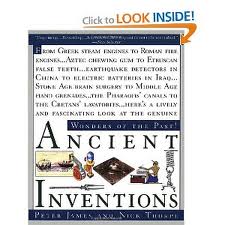
این کتاب که در سال ۱۹۹۴ انتشار یافت اختراعات و نوآوریهای دوران
باستان را مورد بحث قرار میدهد. کتاب گنجینه ایست از پیدایش اختراعات و اکتشافاتی
که در زمانهای بسیار دور به منصه ظهور رسیدهاند. بسیاری از این نوآوریها با سقوط
امپراتوریهای متفاوت از یادها رفتند و قرنها بعد به عنوان اختراعی جدید (به دلیل
عدم آگاهیِ تاریخی) عرضه شدند. نمونههای چشمگیری از این ابداعات در ایران باستان
صورت گرفتند. در اینجا صرفا آن اختراعاتی که سرچشمه آنها در سرزمین پهناور ایران
بوده است نقل میشوند. در ضمن، چون گاهی به “ایران” و گاهی به “پرژیا” اشاره میشود،
چنانکه کلمه “ایران” استفاده شود در اینجا نیز همین کلمه مورد استفاده قرار میگیرد.
اگر در کتاب از واژه “پرژیا” استفاده شود، از معادل زبان خود یعنی “پارس” در اینجا
استفاده میشود. گفتار این نکته ضروریست که مقدار معتنابهی از اختراعات در خاور نزدیک،
که مهد فرهنگ و تکنولوژی آن زمان بود، به وجود آمدند. خاور نزدیک قرنهای متوالی زیر
فرمان امپراتوریهای بزرگ آن زمان، از جمله آشور و فنیقیه و ایران بود. در بخش
نخست به گوشههایی از پنج فصل آغازین این
کتاب اشارهای شد. در بخش دوم فصول پنج تا هشت مورد بررسی قرار گرفت. در بخش آخر،
مطالبی که به ایران اشاره دارد و در چهار فصل پایانی کتاب آمده مرور میشوند. مطابق
سابق، تاریخهای ذکر شده در این کتاب همه میلادی (قبل یا بعد از میلاد مسیح) هستند،
که چنانچه به قبل از میلاد مربوط باشند، حروف (ق.م.) بعد از اعدادِ نشان دهندهٔ
سال میایند.
اندیشمند بزرگترین احساسش عشق است و هر عملش با خرد
Friday, April 5, 2013
Sunday, March 24, 2013
March 20, 2013
Today marks the first day of spring as well as the first day of Persian New Year (year 1392). It also coincides with Obama’s trip to Israel and his meeting with Netanyahu and other Israeli officials. For the occasion of this meeting and the tenth anniversary of invasion of Iraq by US forces (of a few days ago), an article is published by Juan Cole in Informed Comments, stating with one other reason for the invasion, something that many of us never knew about. The article discloses many documents representing the involvements of Israeli government in persuading US to attack Iraq. One of these documents is a quotation from a news article published in Jerusalem Post on March 10, 2003: “…the foreign ministry has received reports from the US telling Israelis to cool their jets because ‘the US media’ is portraying Israel as ‘trying to goad the administration into war.’” Whether Israelis coaxed US government, the article endeavors to make a case in support of it. All we know is that the administration ultimately attacked Iraq under the pretense of “weapons of mass destruction”, which proved to be a lie. Coincidently, the same type of slander (as weapons of mass destruction) has been used, this time by the legislators instead of the administration. It is claimed that Assad used chemical weapons on the rebels. This is of course a prelude to a more direct training and arming Syrian rebels (who have been covertly supported and armed by the military in the past two years).
Tuesday, March 19, 2013
نو آوری های باستانی (۲) بخش دوم از سه بخش
این کتاب که در سال ۱۹۹۴ انتشار یافت اختراعات و نوآوریهای دوران باستان را مورد بحث قرار میدهد. کتاب گنجینه ایست از پیدایش اختراعات و اکتشافاتی که در زمانهای بسیار دور به منصه ظهور رسیدهاند. بسیاری از این نوآوریها با سقوط امپراتوریهای متفاوت از یادها رفتند و قرنها بعد به عنوان اختراعی جدید، به دلیل عدم آگاهی از وجود قبلی آنها، عرضه شدند. نمونههای چشمگیری از این ابداعات در ایران باستان صورت گرفتند. در اینجا صرفا آن اختراعاتی که سرچشمه آنها در سرزمین پهناور ایران بوده است نقل میشوند. در ضمن، چون گاهی به “ایران” و گاهی به “پرژیا” اشاره میشود، چنانکه کلمه “ایران” استفاده شود در اینجا نیز همین کلمه مورد استفاده قرار میگیرد. چنانکه از واژه “پرژیا” استفاده شود، از معادل پارسی آن یعنی “پارس” در اینجا استفاده میشود. گفتار این نکته ضروریست که مقدار معتنابهی از اختراعات در خاور نزدیک، که مهد فرهنگ و تکنولوژی آن زمان بود، به وجود آمدند. خاور نزدیک قرنهای متوالی زیر فرمان امپراتوریهای بزرگ آن زمان، از جمله آشور و فنیقیه و ایران بود. در بخش نخست به گوشههایی از پنج فصل آغازین این کتاب اشارهای شد. در این بخش، قسمتهائی از فصل پنجم کتاب به بعد نقل قول میشوند. مانند بخش نخست، تنها به مطالبی که در کتاب تحت عنوان ایران یا پارس آمده اشاره میشود. تاریخهای ذکر شده در این کتاب همه میلادی (قبل یا بعد از میلاد مسیح) هستند، که چنانچه به قبل از میلاد مربوط باشند، حروف (ق.م.) بعد از اعدادِ نشان دهندهٔ سال میایند.
Saturday, March 16, 2013
The Magic Of Reality
This is the title of Richard Dawkins’ latest book. It is written for younger readers and it seems he had made an effort to avoid any scientific terms or equations or explanations which would only be understood by experts. Considering its simplicity in language and explanation of phenomena, this book makes a good read for a lay person who enjoys learning facts of life from a scientific point of view and without any Hocus Pokus! The book begins with a definition of, and a comparison between, reality and magic. As one enjoys myths, its power is explained and advised at the same time not to confuse myths with scientific facts. Different ways to distinguish the difference between myths and realities are clarified next. Each chapter discusses a set of scientific findings about certain subject. Most chapters start with some mythological stories related to the subject. What Dawkins is trying to do in this book is to put realities and myths side by side and let the reader decide which one is more enchanting, with the obvious conclusion made at the end of the chapter in support of the former.
Thursday, March 14, 2013
شگفتیِ واقعیات
این عنوانِ آخرین کتاب ریچارد داوکینز است. به نظر می رسد که او در این کتاب که برای خوانندگانِ جوان نوشته شده است، تلاش کرده است که قوانین و مفاهیم علمی و فرمولها و یا توضیحاتی را که فقط خبرگان و دانشمندان درک میکنند با زبانی ساده بیان کند. با توجه به سادگی گفتار در زبان و تبیین پدیده ها، این کتاب راهگشای اشخاصی است که در علوم خبره نیستند ولی از یادگیریِ حقایق زندگی از نقطه نظر علمی لذت میبرند، و نیازمندند که به دور از سحر و جادو، به شگفتیِ واقعیات پی ببرند. گفتمان با مقایسهای بین واقعیت و اسطوره آغاز می شود. پس از آنکه لذت بردن از اسطوره و یا تردستی را تائید میکند، به خواننده هشدار میدهد که متوجه باشد که این داستانها و تردستیها سوای واقعیات علمی هستند. در این رابطه، روشهای مختلف برای تشخیص تفاوت میان غیرواقعی (چشمبندی/ تردستی/ معجزه/ سحر و جادو/ اسطوره) و واقعیت توصیف میشوند. هر فصل در مورد مجموعهای از یافته های علمی و در رابطه با موضوع خاصی می باشد. اکثر فصلها با یک یا چند داستان اساطیری یا مذهبی در ارتباط با سر فصل، شروع میشوند. داوکینز در تلاش است تا در این کتاب واقعیت و اسطوره را در کنار هم قرار دهد تا خواننده خود تصمیم بگیرد که کدام لذت بخش تر است. پر واضح است که نتیجه گیریِ او حمایت از واقعیات علمی است.
Friday, March 1, 2013
A Universe from Nothing
Thursday, February 28, 2013
نوآوریهای باستانی (۱) بخش نخست از سه بخش
این کتاب که در سال ۱۹۹۴ انتشار یافت اختراعات و نوآوریهای دوران باستان را مورد بحث قرار میدهد. کتاب گنجینه ایست از پیدایش اختراعات و اکتشافاتی که در زمانهای بسیار دور به منصه ظهور رسیدهاند. بسیاری از این نوآوریها با سقوط امپراتوریهای متفاوت از یادها رفتند و قرنها بعد به عنوان اختراعی جدید، به دلیل عدم آگاهی از وجود قبلی آنها، عرضه شدند. نمونههای چشمگیری از این ابداعات در ایران باستان صورت گرفتند. در اینجا صرفا آن اختراعاتی که سرچشمه آنها در سرزمین پهناور ایران بوده است نقل میشوند. در ضمن، چون گاهی به “ایران” و گاهی به “پرژیا” اشاره میشود، چنانکه کلمه “ایران” استفاده شود در اینجا نیز همین کلمه مورد استفاده قرار میگیرد. چنانکه از واژه “پرژیا” استفاده شود، از معادل پارسی آن یعنی “پارس” در اینجا استفاده میشود. گفتار این نکته ضروریست که مقدار معتنابهی از اختراعات در خاور نزدیک، که مهد فرهنگ و تکنولوژی آن زمان بود، به وجود آمدند. خاور نزدیک قرنهای متوالی زیر فرمان امپراتوریهای بزرگ آن زمان، از جمله آشور و فنیقیه و ایران بود. در اینجا (در سه بخش) تنها به گوشههایی از آن که در کتاب تحت عنوان ایران یا فارس آمده اشاره میشود. تاریخهای ذکر شده در این کتاب همه میلادی (قبل یا بعد از میلاد مسیح) هستند، که چنانچه به قبل از میلاد مربوط باشد، حروف (ق.م.) بعد از اعداد نشان دهنده سال میایند.
Saturday, February 23, 2013
Ancient Inventions III
The first eight chapters of this book have already been reviewed. This article will examine the last four chapters of: “Ancient Inventions”, copyright 1994 by Peter James and Nick Thorpe. The book represents a historical view of some discoveries and inventions, and their origins. It is divided into twelve chapters, each covering a different subject matter. The first four chapters (Medicine, Transportation, High Tech, and Sex Life) were commented on in an article titled “Ancient Inventions I”. The second four chapters (Military Technology, Personal Effects, Food, Drink, And Drugs, and Urban Life) were reviewed in an article titled “Ancient Inventions II”. Last four chapters of the book are titled: Working the Land, House and Home, Communications, Sport and Leisure.
Thursday, February 14, 2013
دگردیسی
دگردیسی در زبان پارسی “دگرگون شدن” و “مسخ” ترجمه شده است. دگردیسی و یا دگر گون شدن معنای تغییر شکل ناگهانی را در ذهن تداعی میکند. به عنوان مثال زمانی که کبریت شعلهوری را در آب فرو میبریم، شعله در اثر تماس با آب ناگهان خاموش میشود. واضح است که هر تغییر شکلی به زمان خاصی احتیاج دارد، ولی این زمان برای ما ممکن است آنقدر کوتاه باشد که ما آنرا “ناگهانی” مینامیم. مثال دیگر تغییر شکل آب به یخ است، که ما میتوانیم تغییر تدریجی آنرا در سرمای زمستان مشاهده کنیم؛ که فرضا اگر در اتاق نشسته ایم و به پشت شیشهٔ در حالِ یخ زدن نگاه میکنیم، ناظر انجماد تدریجی آب خواهیم بود. اگر ظرف آب داغی را بر روی آن یخ بریزیم، یخ دفعتا نه تنها به آب، بلکه به بخار تبدیل خواهد شد، که این در اثر دمای زیاد است. بنابراین جامد شدنِ آب به نظر ما تدریجی ولی مایع و بخار شدنِ آن به نظرمان ناگهانی خواهد بود. واژههای پارسی که برای این فعل و انفعال استفاده میشوند حالت دوم را که تغییر ناگهانی است بیشتر از تغییر نخست میرسانند. در زبان لاتین به واژهٔ دگردیسی، “متامورفسیس” (در اصل یونانی) میگویند. این واژه از سه قسمت “متا” و “مورف” و “سیس” تشکیل شده است. “متا” برای نشان دادن یک مفهوم انتزاعی است که از مفهوم دیگری منبعث شده باشد. پسوند “سیس” یک قاعدهٔ دستوری است که واژهای که با این پسوند خاتمه میابد معنای ماخذ اطلاعاتی را میگیرد. “مورف” در اصطلاح برای تغییر تدریجی میاید. بنابراین، در زبان لاتین حالت نخست (در مثالِ تغییر شکلِ آب به یخ) مورد نظر است. تکرار این مطلب لازم است که منظور از تغییر ناگهانی، مدت خاصی است که چون در نظر ما بسیار کوتاه است به آن تغییر ناگهانی میگوییم
Tuesday, February 5, 2013
Ancient Inventions: II
The book, Ancient Inventions, has already been introduced and the first four chapters have been briefed. The book is a great archaeological as well as historical account of inventions and discoveries of the ancient time, which represents a different picture of our ancestors, from what we are used to. For a long, we have had a tendency to believe that technological knowledge has remained exclusively with our generation, and ancient people were some savages who did not progress to any level close to ours. This book proves this assumption incorrect, and claims that many of our recent technological advances have roots in ancient times, and some high tech inventions, such as computers, may have been the result of innovations of people living some Melania before us. In analyzing some brilliant articles of this book, the next four chapters (chapters five through eight) are discussed here. Last four chapters (nine through twelve) will be introduced in a final article about this book.
Wednesday, January 30, 2013
افغانستان، عراق، لیبی، سوریه، ایران
با بررسیِ جهت گیریِ سیاسیِ دولتهای اسلامی، شاید بتوانیم به سیاست کلی کشورهای غربی در این منطقه پی ببریم. سیاستهای داخلی دولتهای مذکور نیز بدین روش مشخص میشوند، چرا که رابطهٔ این دولتها با کشورهای غربی تعیین کنندهٔ سیاستهای داخلیشان است. در این مورد دو گزینه برای این دولتها متصور است. گزینه نخست آن است که تکیه به مردم کشور خود داشته، برآوردن خواستهای آنها را هدف اصلی خود قرار دهند. چنین هدفی را دولتهائی تعقیب میکنند که از نظر سیاسی با آرائ مستقیم مردم روی کار آمدهاند. به عنوان نمونه میتوان از کشورهای آزاد شده از یوغ استعمار در آمریکای مرکزی و جنوبی (از جمله اوروگوئه، ونزوئلا، بولیوی، آرژانتین) نام برد. گزینه دوم برآوردن خواستهای دولتهای غربی است که لازمه آن داشتن دولتی دست نشانده و دیکتاتور است. البته نقطه مقابل این گزینهها الزاماً مصداق پیدا نمیکند، یعنی اگر دولتی دیکتاتوری باشد الزامی ندارد که به کشورهای غربی وابسته باشد. با همین ارزیابی، دولتی ممکن است با آرائ مردم انتخاب شده باشد ولی همزمان تابعیت کشورهای غرب را نیز بپذیرد. کشور های لیبی و عراق دیکتاتوری بودند ولی وابستگی کامل به غرب نداشتند، و به همین جهت غرب آن حکومتها را از پای در آورد. همین سرنوشت در انتظار کشورهای سوریه و کره جنوبی و ایران است که با وجود آنکه ماهیتاً دیکتاتوری میباشند، به غرب وابستگی کامل ندارند. در اینجا منظور از “وابستگی کامل” رابطه عربستان، مصر، امارات عربی، یمن،…، با غرب میباشد. از آنجائی که دیکتاتورهای کشورهای قبلا ذکر شده مخالفینی در داخل یا خارج کشورشان دارند، این مخالفین میتوانند به عنوان ابزاری در دست کشورهای غرب برای سرنگونی رژیم مورد نظر قرار بگیرند. نمونه بارز آن حکومت لیبی بود که یکی از معدود کشورهای سکولار افریقائی به شمار میرفت، و اکنون بدست اسلام گراهای ارتجاعی به نابودی کامل کشانده شده است. جنگ دو ساله سوریه نیز در پیرو چنین برنامهای است.
Thursday, January 24, 2013
The State of Madness
Are you mad? Are you nuts? Are you crazy? Are you out of your mind? Are you a lunatic? No, we never use the last statement! We do not call people lunatics. Being a lunatic is a serious matter. It is not being crazy or nuts or scattered brain or anything we may call each other casually. However a lunatic is someone who needs to confine to a sanatorium, or just to pay a visit to a psychiatrist. In such a case, we do not still call the person a lunatic, but call the doctor or the hospital.
Wednesday, January 16, 2013
زغنبوت
Monday, January 7, 2013
Ancient Inventions: I
About two decades ago, a newly published book changed readers’ perceptions about science and technology. It provided information obtained through archaeological findings and ancient texts and manuscripts about discoveries and inventions of the ancient times. By reading this book, one discovers that some of the major technological advances attributed to recent times are in fact resurfacing of innovations of ancient world. In the introduction section of the book, a philosopher of the seventeenth century, Francis Bacon, is quoted from one of his writings as follows: “We should note the force, effect and consequences of inventions, which are nowhere more conspicuous than in those which were unknown to the ancients, namely printing, gunpowder and the compass. For these three have changed the appearance and state of the whole world (P. XXII).” The book continues to comment on this claim by stating: “In fact all three had long histories before Bacon’s time- but in China, not in the medieval West (P. XXIII).” As such, the book opens a window to the misconception widely believed by Westerners that since the modern technology is dominated by the West, advancements in science and technology has always been a property of the Western World. We learn through this book that many of the recent day innovations are in fact reinvention of what was once in common use in ancient China, India, Egypt, or in great empires of the Eastern World such as Iran and Byzantine, or of the Western World such as Greece and Rome. There are also discussions about common use items of our time which are in fact as a result of inventions and discoveries of ancient people. Neil deGrasse Tyson once explained in a speech the reason for the decline of science and technology (namely astronomy) of so called Islamic world, the knowledge which had been unknown to the West because of the church prohibition of science, and which suddenly vanished from the Islamic world and never recommenced, again as a result of religious dogmatism and monopoly of power. According to Tyson; "Imam Ghazali, a 12th century Muslim scholar, philosophized that mathematics was work of the devil...and as a result, the entire foundation of that intellectual enterprise collapsed, and has not recovered since (The Erosion of Progress by Religion; Naming Rights- can be located on YouTube)." Ancient Inventions discloses amazing and enlightening information such as invention of speedometer, contraceptives, kites, rocket launcher, and many other advanced technologies by ancient civilizations. There are also discoveries showing ancient civilizations' advancements in medical operations such as plastic and brain surgery.
Thursday, December 13, 2012
بیچاره اسفندیار - جاودان سیرجانی!
کتابی که چهار سال پس از مرگ علی اکبر سعیدی سیرجانی در سال ۱۳۷۷ انتشار یافت “بیچاره اسفندیار” عنوان گرفت. این جستار از روی چاپ سوم آن که در سال ۱۳۸۰ منتشر شده تنظیم شده است (نشر پیکان؛ چاپ سهند). چنانچه چاپهای دیگری پس از آن انتشار یافته، اطلاعی در دست نیست. ولی همین تعدادِ منتشر شده و سه بار تجدید چاپ تا سال هشتاد، نمایانگر علاقه مردم به نوشتههای اوست. نوشتههایی که باعث دستگیری، شکنجه، و مرگ زودرس او در سن ۶۳ سالگی شد. این کتاب در حقیقت نقد و تفسیری است از داستان رستم و اسفندیارِ شاهنامهٔ فردوسی. این داستان بهانهای است برای سعیدی سیرجانی که یکی از حماسههای مشهور شاهنامه را کالبد شکافی کند، و با ستایش فردوسی در نظم چنین اثر شگرفی، و معرفی بیشتر این شاهکار به ایرانیان، و بر انگیزاندن غرور ملی، در ضمن مقایسهای بین پادشاهی ایران باستان با رژیم فعلی ایران کرده باشد. توضیحات او در مورد این داستان به وضوح نمایان ساختن رژیم دیکتاتوری پس از انقلاب است، که البته پس از آن نیز کماکان ادامه دارد
Wednesday, November 21, 2012
Q&A
QUESTIONS:
1. Why are number panels of telephones upside-down?
2. What is the real value of a penny?
3. Why is a dime half of a nickel but worth twice as much?
4. How many hurricanes does it take to feel global warming?
5. When are we going to export our democracy to Iran?
6. Why people of an “Axis of Evil” nation, are the only people in the Middle East favoring the US government?
7. Are we in a democracy?
8. Why no one asks Israel to comply with International Atomic Energy Protocols?
9. Why Taliban and Al-Qaida members were called Freedom Fighters when we supplied them with arms, and now they are Moslem Terrorists?
10. What happened to Arab Spring if the dictators before and after Arab Spring have been supported by us?
11. How come fanatic Moslems in Libya and Syria are liberators, but those in the streets of Bahrain, South Yemen, and Sudan are rebels and Moslem terrorists, and the target of our drones?
12. Why are churches constructed in the most prime locations, especially churches of Latter Day Saints?
13. Why do they tell us in schools that education is more important than money, but raising money in elections is such an important issue?
14. How come no one is shedding tears when racism has increased by 3% since 2008?
15. Why was Romney’s religion an issue last time he ran for presidency but no one talked about it this time?
16. Why do I use “we” instead of “they” speaking on behalf of the government?
17. Why was Ann Romney happy when she learned that her husband was not elected as the president of the US?
Friday, November 16, 2012
چه کسی واقعیات را میگوید
گابور ماته، روانپزشک کاناداییِ مجاری نسب، در یکی از سخنرانیهایش از دوران جنگ سرد و تقسیم سیاسی دنیا به دو بلوک شرق و غرب سخن میگفت. قبل از آنکه خانواده او به غرب مهاجرت کند، تبلیغات ضد غربی کلیهٔ دستگاههای ارتباط جمعی شوروی و کشورهای وابسته را احاطه کرده بودند. ماته میگوید که به علت نفرتی که مردم از دستگاه حاکمه داشتند، همه به اینگونه اخبار با تمسخر و ناباوری مینگریستند. اگر روابط ارتباط جمعی مجارستان از یک سازمان یا نیروی چپِ غربی حمایت میکرد، مردم مجارستان آن نیرو را دست نشانده و آلت استعمار شوروی میدانستند. ماته ادامه میدهد که زمانی که خانوادهاش به غرب مهاجرت کرد، او متوجه شد که همان پروپاگاندائی که او در بلوک شرق شاهدش بود در بلوک غرب هم وجود داشت، و البته این یکی بر علیه شوروی و کشورهای وابسته به آن جناح بود. این تبلیغات و پروپاگاندا را او دقیقا منطبق بر واقعیتی که در خاطراتش نقش بسته بودند میدید، و برایش جالب بود که چگونه گزارشات غرب آنچنان دقیق و صحیح بودند. پس از آنکه خانواده ماته در کشورهای غربی نضج میگیرند، او با نظام و فرهنگ به عنوان یکی از شهروندانِ جامعه غرب خو میگیرد، و نه تنها با مزایای این جامعه بلکه با فجایع زندگی غربی نیز آشنا میشود. گابور ماته با ناباوری پی میبرد که اخباری که او در زمان بچگی از وسائل ارتباط جمعی مجارستان در مورد غرب میشنید نیز منطبق بر واقعیات بودند! یعنی هر دو بلوک شرق و غرب از ناهنجاریهای یکدیگر بطور دقیق اطلاع داشتند و یکدیگر را افشا میکردند، ولی آنچه را که در سیستمهای خودشان میگذشت از مردم کشورشان پنهان میکردند
Monday, November 12, 2012
Sierra Vacation
A friend called with a vacation plan in October, somewhere in California’s natural beauty, for a sort of “male bonding” trip. Five people were contacted for this trip, four of which could commit to the plan at its final stage. I volunteered to arrange for the trip, since I had more time on my hands than other friends. I started by collecting information as to the time, the place, sort of entertainment, mode of transportation, and lodging. A drivable location in California with beautiful autumn features and a rental house where we could be all together and have the freedom to play games and cook, was the final consensus.
Saturday, November 3, 2012
آش سنگ
Saturday, October 20, 2012
New World
Amerigo Vespucci was the first person to name the unknown land he sailed to “New World”. In 1503, Vespucci wrote a letter from Portugal to Lorenzo Medici in Spain, and coined the new frontiers: “… and it is lawful to call it a new world…” Of course, this world was new to him, as there were millions of inhabitants already occupying the land, and living in various tribes and in communal settlements. Amerigo’s discovery was later named after him “The American Continent”. In the same letter he stated: “… for I have found a continent in that southern part; full of animals and more populous than our Europe, or Asia, or Africa, and even more temperate and pleasant than any other region known to us...” One may wonder what happened to the population of the natives he mentioned, as there are presently only a few pockets of them spread out in the US, Canada, and Central and South American countries. According to the estimates of some anthropologists, before 1492 voyage of Christopher Columbus, there were more than 100 million natives living in that continent. Notwithstanding that population of all races of the world has increased rapidly since the 15th century, the population of indigenous people has declined dramatically. One estimate in 1976 stated the population of Native Americans as 54 million. Another estimate calculates world population in the year 1500 of 438,428,000 and world population in 1975 of 4,065,408,000 (2003 estimates of Angus Maddison). Accordingly, the population of the world had increased from the year 1500 to the year 1975 by 427% while the population of Native Americans has decreased in the same period by 46%. The reduction was caused by introduction of Europeans’ imported diseases that natives did not have immunity against, such as influenza, plague, and smallpox. But it was also caused by systematic genocide of the natives by the new arrivals (for a detail account of natives’ genocide see Howard Zinn’s "A People's History of the United States").
Subscribe to:
Posts (Atom)